
 By
By 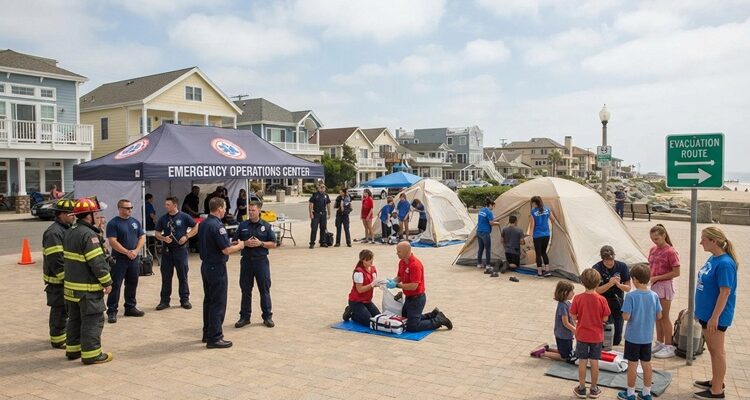
Table of Contents
Key Takeaways
For effective disaster response, proactive measures are key—professionals emphasize the need for comprehensive risk assessments that are specifically tailored to the unique needs of communities. This involves not just identifying hazards, but also mapping vulnerabilities accurately.
Engaging the community is essential for resilience. When people participate actively, it builds trust and collaboration, leading to a robust support network during emergencies.
Protocols for rapid response can significantly influence recovery outcomes. Mobilizing emergency teams quickly is crucial to assess damages and address immediate needs effectively.
Technology brings innovation to disaster response. The use of drones and advanced data analytics allows for real-time assessments and better resource allocation.
Timely intervention against water damage is vital. Techniques like rapid extraction and dehumidification help prevent structural deterioration and the spread of mold.
Strengthening buildings against wind and storm damage with protective measures during construction plays a critical role in safeguarding properties, ultimately ensuring safety for families and businesses alike.
Community recovery stories highlight the power of teamwork. They serve as compelling examples of how unity and resilience can lead to successful transformations following disasters.
Innovative Techniques for Effective Disaster Mitigation
Proactive Measures: What Really Works?
Professionals know that effective disaster response hinges on implementing proactive measures designed to mitigate risks before they escalate into crises. Preparation is indeed the first line of defense. Thus, thorough risk assessments—customized to community vulnerabilities—are critical. They encompass hazard identification, vulnerability mapping, and even resource inventories. Just think about it: simple actions like ensuring adequate emergency supplies can vastly enhance community safety, illustrating that resilience isn’t solely about materials; it’s about fostering a culture of readiness.
Equally important are pre-event training sessions. The effectiveness of disaster systems relies heavily on the individuals who operate them. Educational initiatives regarding emergency procedures are vital for proper disaster planning. They boost community engagement and empower citizens to act swiftly when disasters occur. When individuals understand what to do, lives are invariably saved.
- Regular drills and exercises: These simulations prepare communities for real-life scenarios, ensuring everyone clearly understands their role in a disaster.
- Clear communication channels: Reliable communication plans are crucial for timely information dissemination.
- Partnerships with local organizations: Collaborating with NGOs, schools, and businesses can reinforce community response efforts.
Community Engagement: Strengthening Resilience Together
Crafting a resilient framework relies heavily on community engagement. When local stakeholders unite, the potential for impactful results rises. Participation builds trust and fosters cooperation across diverse demographic groups. However, engagement shouldn’t become an afterthought or merely a checkbox exercise; it’s far too important for that. Active involvement establishes a network of supporters ready to assist each other when crises hit.
Community forums offer vital platforms for knowledge exchange and feedback on current disaster response strategies. By heeding the concerns and experiences of residents, planners can fine-tune strategies to confront real-world challenges more effectively. Involving community members in planning and preparation encourages the creation of customized resource lists and evacuation routes.
“In the face of a disaster, no one is more strategically positioned to respond than the affected community itself.”
How Cleanup and Recovery Processes Save Lives
Rapid Response Protocols: The First Hours Matter
In the wake of disaster, those initial hours can truly alter outcomes. Rapid response protocols must be both well-coordinated and efficient, often determining the success of recovery efforts. Experts realize that quick action can save lives. Mobilizing emergency teams swiftly within those crucial first few hours is essential for tasks such as assessing damages and identifying immediate requirements.
A clear framework for rapid response is vital. It should incorporate predefined roles and responsibilities, ensuring effective mobilization. The integration of real-time monitoring systems streamlines this process, allowing teams to act based on current developments. Ultimately, the ambition is to minimize casualties and facilitate faster recovery.
- Coordination with local authorities: Maintaining clear communication with fire, police, and medical services is critical for a cohesive response.
- Establish a command center: A centralized hub promotes efficient communication and optimal resource allocation.
- Community volunteers: Mobilizing volunteers boosts personnel capabilities quickly, ensuring immediate aid is available.
Technology in Action: Drones and Data in Disaster Cleanup
The landscape of disaster response has been dramatically transformed by technological innovation. Drones, for instance, have become pivotal for quickly and safely assessing extensive damage. They cover large areas far more efficiently than ground teams can. Yet it’s not just about speed; drones also provide crucial aerial imagery that can expose hidden hazards.
Integrating data analytics into disaster recovery processes enhances effectiveness further. Mapping software, fused with GPS applications and drone data, equips responders with real-time maps indicating the most severely affected zones. This capability enables strategic resource allocation—sending aid precisely where it’s needed most.
“The marriage of technology and disaster response is not just a trend; it’s a lifeline for communities in need.”
Restoration Strategies That Maximize Property Protection
Water Damage Solutions: Stopping the Threat Before It Spreads
Water damage isn’t only a post-storm issue; it can persist as a serious threat that compromises property stability. Addressing this issue decisively is essential for any restoration plan. Professionals advise that rapid water extraction, coupled with proper dehumidification techniques, is crucial to halt mold growth and prevent structural decay. Measures like installing sump pumps and deploying high-capacity dehumidifiers should be standard practice to keep areas dry. However, effective prevention truly begins before disaster strikes, making sure adequate drainage systems are in place to handle excess water.
A critical aspect of managing water damage lies in treating affected materials. Salvaging items can drastically change the outcome of restoration efforts. Interestingly, many may not realize that some materials, such as drywall and insulation, can be preserved if addressed correctly and swiftly after exposure to moisture. This proactive approach can not only save money but also protect cherished belongings.
- Immediate assessment: Quickly evaluating points of water intrusion helps identify sources and minimize further damage.
- Proper drying procedures: Utilizing air movers and dehumidifiers significantly accelerates drying.
- Inspection for mold: Routine inspections post-water event can thwart potential health risks.
Wind and Storm Impact: Reinforcing Structures Effectively
Properties represent more than just structures; they are safe havens for families and businesses alike. Hence, implementing strategies to reinforce buildings against wind and storm damage is absolutely crucial. The right protective measures introduced during construction—such as using hurricane straps or impact-resistant windows—can substantially reduce the risk of significant damage or structural failure. Unfortunately, many homeowners don’t consider the importance of these strategies until disaster strikes.
Building codes should mandate that new constructions adopt these resilient features, and retrofitting older homes can also yield significant benefits. Taking this proactive stance can protect countless properties while safeguarding lives.
“Investing in structural resilience isn’t just about the present; it’s about securing the future.”
Case Studies: Success Stories from the Field
Real-Life Transformations: A Before and After Perspective
Examining real-life case studies reveals tremendous value. These success stories demonstrate effective measures and their outcomes. For instance, a community in Florida crafted a robust disaster recovery plan after a hurricane wreaked havoc. Through substantial investments in public education, infrastructure, and community involvement, this area managed to rebound within merely months—a remarkable achievement amid extensive destruction.
Such transformations showcase not just the resurgence of properties, but also the indomitable spirit of communities that banded together to confront challenges. These stories reinforce the notion that a well-crafted disaster response strategy can cultivate resilience, turning tragedies into transformative opportunities.
- Public-private partnerships: Collaborative efforts between governmental entities and private sectors enhance recovery initiatives significantly.
- Inclusion of expert consultants: Bringing in industry specialists provides insights on best practices for meticulous planning.
- Ongoing education for residents: Regular workshops serve to keep community members informed and prepared.
Community Recovery: Celebrating Resilience and Renewal
The core of disaster recovery lies in the collective strength of communities. A noteworthy example unfolded in Houston after Harvey, where community organizations united efforts to provide relief for those impacted. Volunteers worked tirelessly, demonstrating how community spirit can pave the way for recovery. They didn’t merely assist in repairing homes; they built lasting connections. This shared sense of solidarity inspires hope and revitalizes neighborhoods.
Celebrating recovery narratives transcends historical events. It’s about crafting new stories that propel communities forward. Organizing gatherings to highlight success fosters a resiliency culture capable of standing firm against future challenges.
“Resilience is built one action at a time; it’s the small victories that forge an unbreakable spirit.”
Ultimately, disaster response strategies hold transformative potential for both lives and properties. By adopting innovative techniques, engaging communities, and leveraging technology, recovery transitions from mere possibility to a tangible reality. The transformation goes beyond infrastructure, touching the very essence of the human spirit—illustrating that from disaster, a stronger foundation can indeed emerge.
FAQ
How can technology specifically improve community engagement during disasters?
Technology acts as a crucial bridge for communication, offering platforms designed for information exchange. Apps and social media channels enable real-time updates, connecting residents, emergency services, and local organizations instantly during critical situations.
What role do community leaders play in disaster recovery?
Often, community leaders serve as liaisons between residents and emergency services. They mobilize resources, coordinate volunteer efforts, and establish trust within the community, which is essential for effective communication and response during and after disasters.
Are there specific training programs that communities can implement for disaster preparedness?
Absolutely, tailored training programs that focus on first aid, evacuation protocols, and emergency communication are indispensable. These initiatives can enlighten residents regarding their roles during disasters, fostering a collective readiness that can ultimately safeguard lives.
How do financial resources affect disaster response efforts?
Financial resources are critical—they can either bolster or hinder disaster response initiatives. Adequate funding supports community investments in training, technology, logistics, and infrastructure enhancements, all vital for timely and effective emergency response.
What preventative maintenance can homeowners perform to enhance their property’s resilience?
Regular inspections of roofs, gutters, and drainage systems are essential in preventing water damage. Additionally, reinforcing doors and windows with impact-resistant options adds a vital layer of security against storms, ensuring long-term protection.
How often should communities conduct disaster drills?
Disaster drills should ideally be conducted at least once a year. More frequent exercises help keep emergency procedures fresh in the minds of residents, allowing for adjustments based on community feedback and evolving needs.
What types of local organizations can assist during disaster recovery?
Local NGOs, hospitals, schools, and businesses can significantly contribute. Their collaboration enhances resource availability, providing shelter, supplies, or volunteer support that strengthens community response and recovery efforts.
In what ways can success stories from other regions influence a community’s disaster strategy?
Success stories present a blueprint for effective practices and inspire communities by highlighting proven strategies and innovations. They encourage local stakeholders to adopt similar methodologies tailored to their unique circumstances and challenges.
Useful Resources
- Federal Emergency Management Agency (FEMA)– A comprehensive source of information on disaster preparedness, response, and recovery.
- American Red Cross– Offers resources for emergency preparedness, training initiatives, and community involvement.
- GlobalGiving– A worldwide crowdfunding community linking nonprofits, donors, and corporations to assist regions in disaster recovery.
- National Voluntary Organizations Active in Disaster (NVOAD)– A coalition enhancing cooperation and collaboration in disaster response efforts.
- Centers for Disease Control and Prevention (CDC)– Guidelines regarding health and safety during disasters and emergencies.
- National Institute of Mental Health (NIMH)– Provides insights on the psychological effects of disasters and mental health support resources.
- Ready.gov– A public service campaign from the U.S. Department of Homeland Security aimed at fostering emergency preparedness.
- World Bank – Disaster Risk Management– Information on global risk reduction, preparedness, and recovery strategies.
- International Association of Plumbing and Mechanical Officials (IAPMO)– Resources regarding plumbing standards and codes for bolstering disaster resilience.











Comments